Understanding Foot Pain by Location

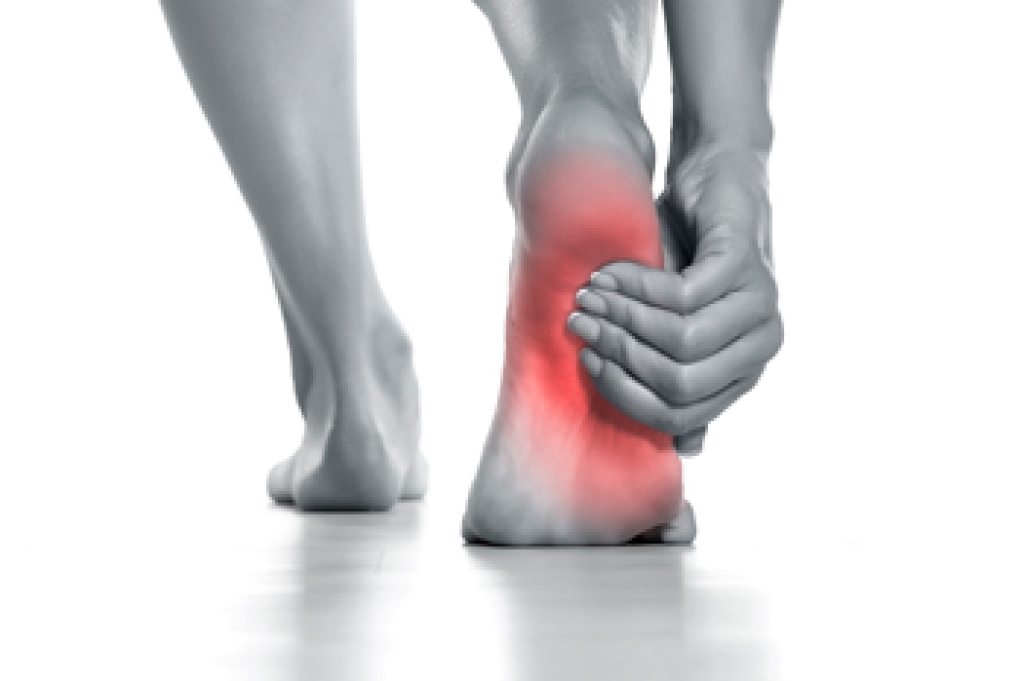
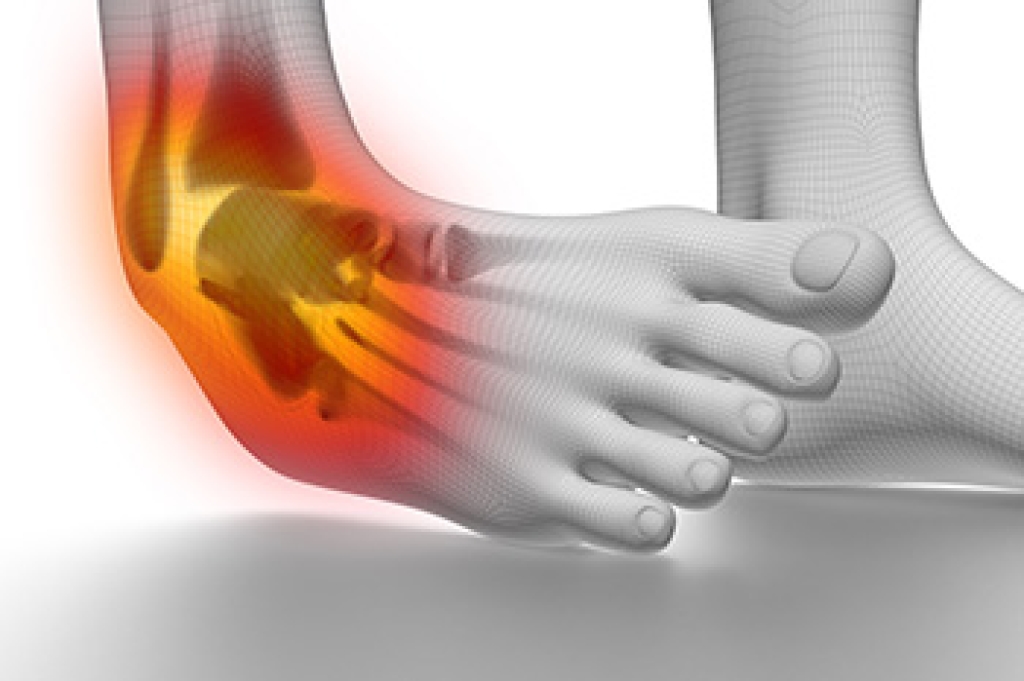
Foot pain can often be understood by where it occurs. Pain on the top of the foot may be linked to stress fractures, which are small cracks in the bone caused by repetitive activity. Inner foot pain can be associated with flat feet, where the arch collapses, or hallux rigidus, a stiff big toe joint that limits movement. Pain on the bottom of the foot may be due to plantar fasciitis, an inflammation of the tissue that supports the arch, or heel pad syndrome, which causes deep heel discomfort. Outer foot pain may involve peroneal tendonitis or an ankle sprain from overstretched ligaments. Risk factors include overuse, wearing poor footwear, and foot structure. A podiatrist can identify the cause and provide targeted care. If you have any type of foot pain, it is suggested that you consult a podiatrist who can determine the cause and offer appropriate treatment solutions.

Foot Pain

Foot pain can be extremely painful and debilitating. If you have a foot pain, consult with one of our podiatrists from Arcadia Foot and Ankle. Our doctors will assess your condition and provide you with quality foot and ankle treatment.

Causes

Foot pain is a very broad condition that could be caused by one or more ailments. The most common include:

  • Bunions
  • Hammertoes
  • Plantar Fasciitis
  • Bone Spurs
  • Corns
  • Tarsal Tunnel Syndrome
  • Ingrown Toenails
  • Arthritis (such as Gout, Rheumatoid, and Osteoarthritis)
  • Flat Feet
  • Injury (from stress fractures, broken toe, foot, ankle, Achilles tendon ruptures, and sprains)
  • And more

Diagnosis

To figure out the cause of foot pain, podiatrists utilize several different methods. This can range from simple visual inspections and sensation tests to X-rays and MRI scans. Prior medical history, family medical history, and any recent physical traumatic events will all be taken into consideration for a proper diagnosis.

Treatment

Treatment depends upon the cause of the foot pain. Whether it is resting, staying off the foot, or having surgery; podiatrists have a number of treatment options available for foot pain.

If you have any questions, please feel free to contact our offices located in Scottsdale, North Scottsdale, Mesa, and Sun City, AZ . We offer the newest diagnostic and treatment technologies for all your foot care needs.

Read more about Foot Pain

Comparing Bunions and Bunionettes

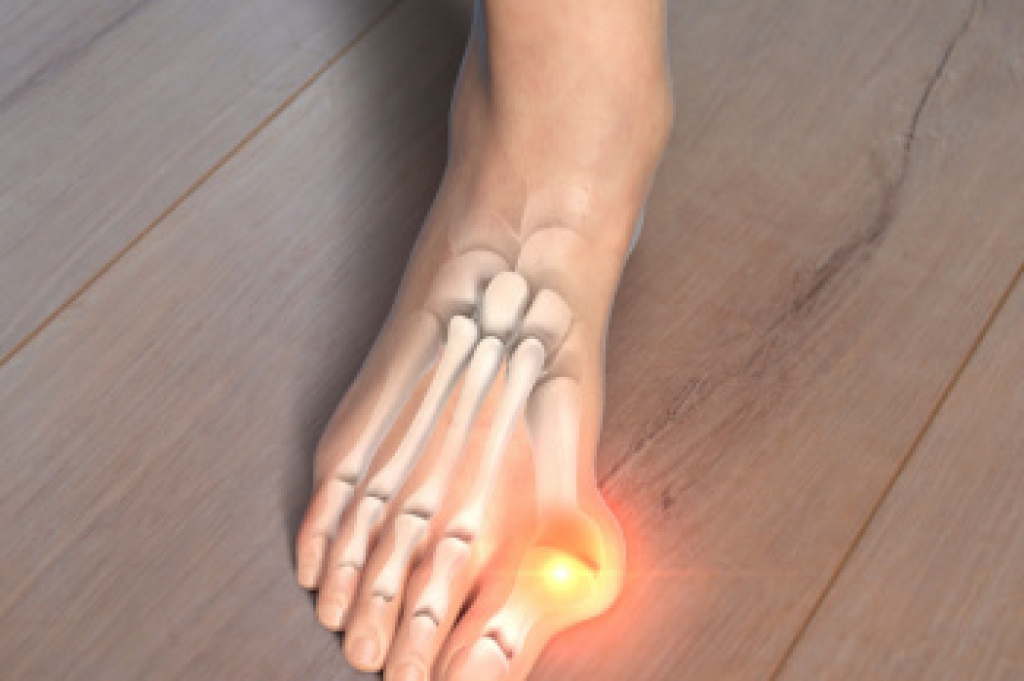
Bunions and bunionettes are both bony bumps that form at the base of a toe, but they develop in different places. A bunion forms at the joint of the big toe as the top of the toe leans toward the smaller toes. This can create pain, swelling, and trouble wearing shoes comfortably. A bunionette forms at the base of the little toe on the outer side of the foot. It is usually smaller, but can still cause rubbing, redness, and discomfort. Bunions are more common and are often linked to foot structure, family history, and shoe pressure. Bunionettes are also often related to inherited foot shape. A podiatrist can examine the foot, take X-rays, and provide treatment. Options include orthotics, padding, shoe guidance, or surgery when the deformity is severe. If you have pain from a bunion or bunionette, it is suggested that you schedule an appointment with a podiatrist for effective relief solutions. 

If you are suffering from bunion pain, contact one of our podiatrists of Arcadia Foot and Ankle. Our doctors can provide the care you need to keep you pain-free and on your feet.

What Is a Bunion?

Bunions are painful bony bumps that usually develop on the inside of the foot at the joint of the big toe. As the deformity increases over time, it may become painful to walk and wear shoes. Women are more likely to exacerbate existing bunions since they often wear tight, narrow shoes that shift their toes together. Bunion pain can be relieved by wearing wider shoes with enough room for the toes.

Causes

  • Genetics – some people inherit feet that are more prone to bunion development
  • Inflammatory Conditions - rheumatoid arthritis and polio may cause bunion development

Symptoms

  • Redness and inflammation
  • Pain and tenderness
  • Callus or corns on the bump
  • Restricted motion in the big toe

In order to diagnose your bunion, your podiatrist may ask about your medical history, symptoms, and general health. Your doctor might also order an x-ray to take a closer look at your feet. Nonsurgical treatment options include orthotics, padding, icing, changes in footwear, and medication. If nonsurgical treatments don’t alleviate your bunion pain, surgery may be necessary.

If you have any questions, please feel free to contact our offices located in Scottsdale, North Scottsdale, Mesa, and Sun City, AZ . We offer the newest diagnostic and treatment technologies for all your foot care needs.

Read more about What Are Bunions?

Getting Back to Sports After a Toe Fracture

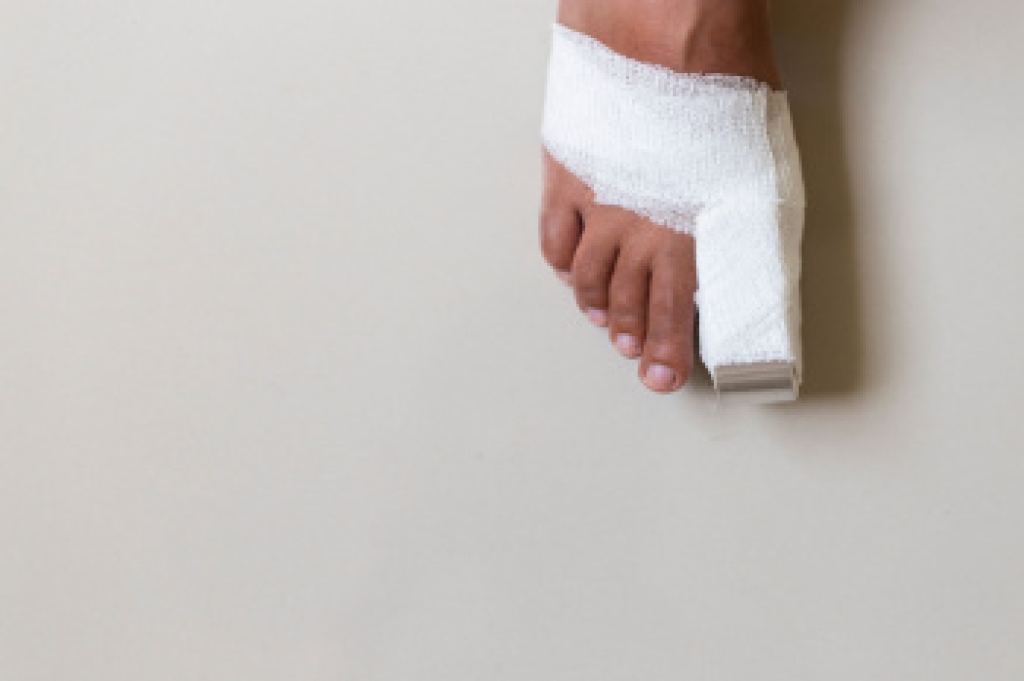
A broken toe may seem minor, but fractures of the toe bones can make running, jumping, and even walking painful. Athletes often feel swelling, bruising, and discomfort when pushing off the ground. Because the toes help with balance and movement, proper healing is important before returning to sports. Treatment depends on how severe the break is. Many toe fractures can heal with rest, taping the injured toe to a neighboring one, and wearing a stiff-soled shoe to protect it. Limiting activity for several weeks allows the bone to recover. Elevation can also help reduce pain and swelling. Surgery may be needed if the bone is out of place, involves the joint, or does not heal correctly. In these cases, small pins or screws may be used to hold the bone in position. A safe return to sports should be gradual and guided by a podiatrist. If you have a toe injury, it is suggested that you see a podiatrist.

A broken toe can be very painful and lead to complications if not properly fixed. If you have any concerns about your feet, contact one of our podiatrists from Arcadia Foot and Ankle. Our doctors will treat your foot and ankle needs.

What to Know About a Broken Toe

Although most people try to avoid foot trauma such as banging, stubbing, or dropping heavy objects on their feet, the unfortunate fact is that it is a common occurrence. Given the fact that toes are positioned in front of the feet, they typically sustain the brunt of such trauma. When trauma occurs to a toe, the result can be a painful break (fracture).

Symptoms of a Broken Toe

  • Throbbing pain
  • Swelling
  • Bruising on the skin and toenail
  • The inability to move the toe
  • Toe appears crooked or disfigured
  • Tingling or numbness in the toe

Generally, it is best to stay off of the injured toe with the affected foot elevated.

Severe toe fractures may be treated with a splint, cast, and in some cases, minor surgery. Due to its position and the pressure it endures with daily activity, future complications can occur if the big toe is not properly treated.

If you have any questions, please feel free to contact our offices located in Scottsdale, North Scottsdale, Mesa, and Sun City, AZ . We offer the newest diagnostic and treatment technologies for all your foot care needs.

Read more about What to Know About a Broken Toe

Our physicians are bilingual in English, Spanish, and Portuguese

Connect With Us